What Is Disinformation vs Misinformation? Understanding the Key Differences and How to Spot Them
Disinformation and misinformation are often used interchangeably, but they are not the same. Learn the differences, why they matter, real-world examples, and practical ways to identify false information before sharing it online.
What Is Disinformation vs Misinformation?
Every day, billions of people scroll through social media, messaging apps, news websites, and video platforms. Along the way, they encounter information that shapes their opinions, decisions, and even their health.
But not everything online is true.
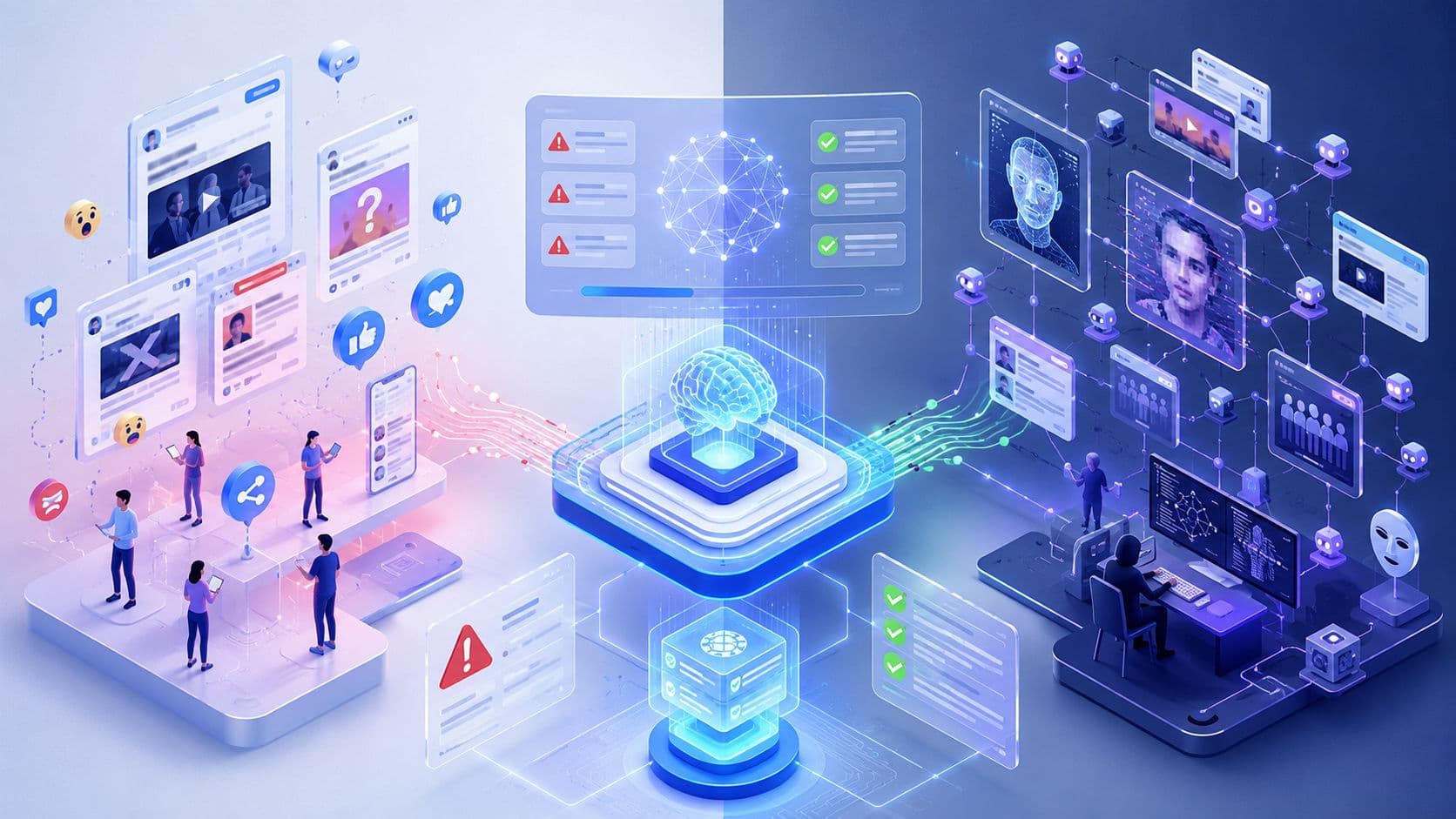
Two terms frequently appear in discussions about false information: misinformation and disinformation. While they may seem similar, they describe two very different types of misleading content.
Understanding the difference is one of the most important digital literacy skills in today's connected world.
What Is Misinformation?
Misinformation is false or inaccurate information shared without the intention to deceive.
The person sharing it usually believes it is true.
Examples of misinformation
- Forwarding an old news article as if it happened today.
- Sharing an edited image without realizing it has been manipulated.
- Posting incorrect medical advice received from a friend.
- Misquoting statistics because of misunderstanding the original source.
In these situations, the information is wrong, but the person spreading it is not trying to mislead others.
Why misinformation spreads so quickly
People often share content because it is:
- Emotional
- Surprising
- Funny
- Scary
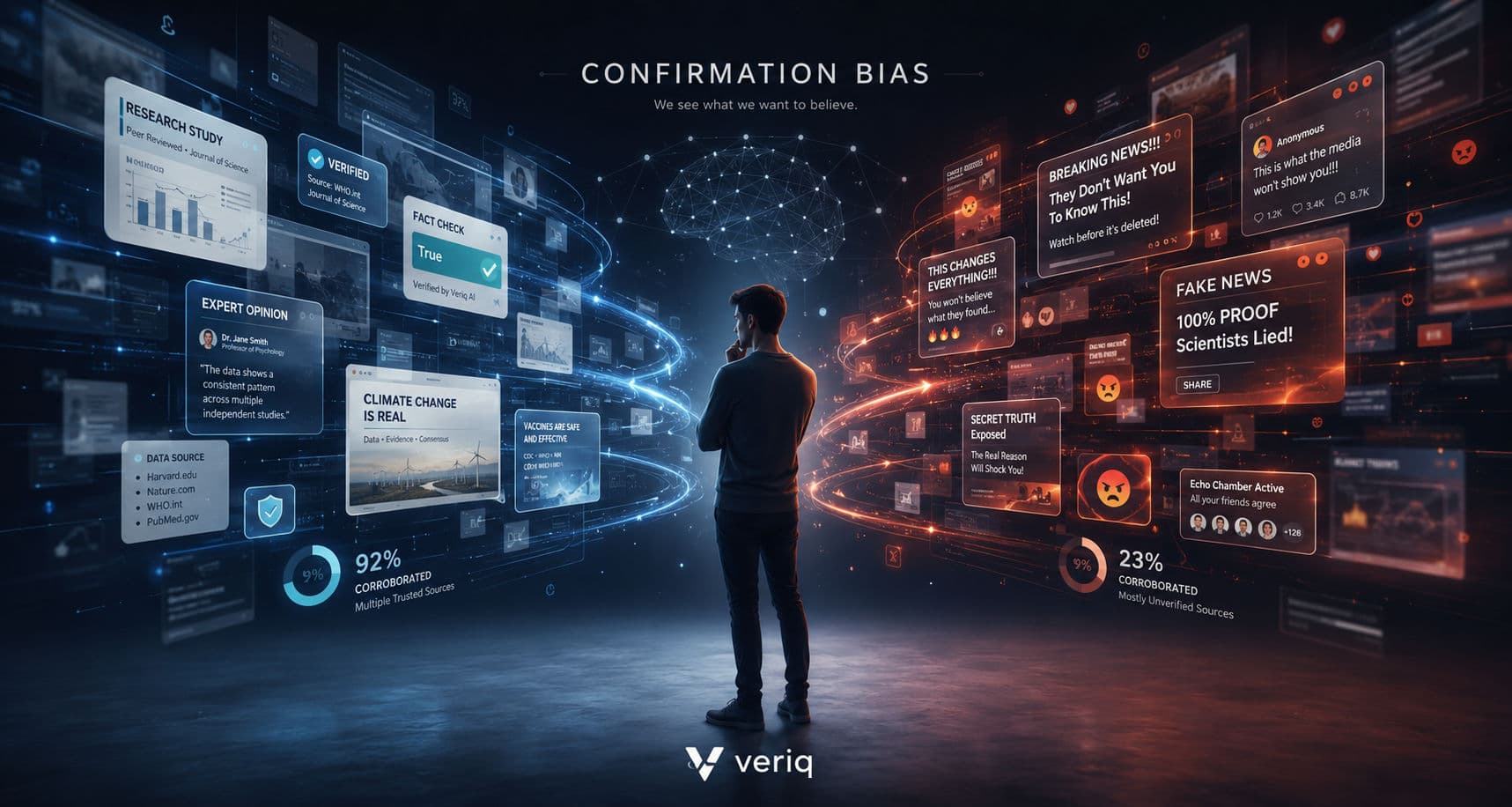
- Aligned with their beliefs
Many users never verify information before clicking "Share."
What Is Disinformation?
Disinformation is false information that is intentionally created or shared to deceive people.
Unlike misinformation, disinformation has a deliberate purpose.
That purpose could be:
- Influencing elections
- Damaging a person's reputation
- Creating panic
- Promoting propaganda
- Generating advertising revenue
- Manipulating public opinion
The creators know the information is false but publish it anyway.
Examples of disinformation
- Fake news websites pretending to be legitimate media.
- AI-generated videos designed to impersonate public figures.
- Fabricated screenshots of social media conversations.
- Coordinated campaigns spreading false political claims.
- Edited videos taken out of context to create a misleading narrative.
Misinformation vs Disinformation
| Misinformation | Disinformation |
|---|---|
| False information | False information |
| Shared unintentionally | Shared intentionally |
| No intent to deceive | Intent to deceive |
| Often spread by ordinary users | Often created by organized individuals or groups |
| Usually corrected when discovered | Often continues spreading even after being debunked |
The biggest difference is intent.
If someone unknowingly shares something false, it is misinformation.
If someone knowingly spreads false information to manipulate others, it is disinformation.
Where Do We See Them?
Both forms of false information appear across the internet.
Social Media
- Viral posts
- Memes
- Reels
- Short videos
- Threads
Messaging Apps
Private groups often spread rumors much faster than public platforms because messages come from trusted contacts.
News Websites
Fake websites sometimes imitate real news organizations using similar names and layouts.
AI-Generated Content
Modern AI tools can create:
- Deepfake videos
- Synthetic voices
- Fake interviews
- Realistic images
- Fabricated documents
These technologies make disinformation increasingly convincing.
Why False Information Is Dangerous
Even a single false claim can have serious consequences.
Public Health
Incorrect medical advice can discourage people from seeking proper treatment or promote unsafe practices.
Elections
False political claims can influence voter perceptions and undermine trust in democratic processes.
Financial Scams
Fraudsters often spread fake investment opportunities or impersonate trusted organizations to steal money.
Social Harm
Rumors can damage reputations, increase polarization, or fuel unnecessary fear.
How to Identify False Information
You don't need to be an expert to become a better fact-checker.
1. Check the Original Source
Ask yourself:
- Who published this?
- Is it a recognized organization?
- Does the author exist?
Reliable sources are transparent about their authors, evidence, and editorial standards.
2. Look Beyond the Headline
Many misleading posts rely on sensational headlines.
Always read the full article before forming an opinion.
3. Verify the Date
Old stories often resurface during current events.
A genuine article from years ago may be misleading if shared without context.
4. Look for Supporting Evidence
Credible information usually includes:
- Official statements
- Research papers
- Government reports
- Multiple independent sources
If only one unknown website reports a major event, be cautious.
5. Reverse Image Search
Images are frequently reused from unrelated events.
A reverse image search can reveal where a picture first appeared.
6. Be Careful with Emotional Content
If a post makes you instantly angry, shocked, or fearful, pause before sharing.
Emotional reactions often bypass critical thinking.
The Role of AI in Fighting False Information
Artificial intelligence can both create and detect misleading content.
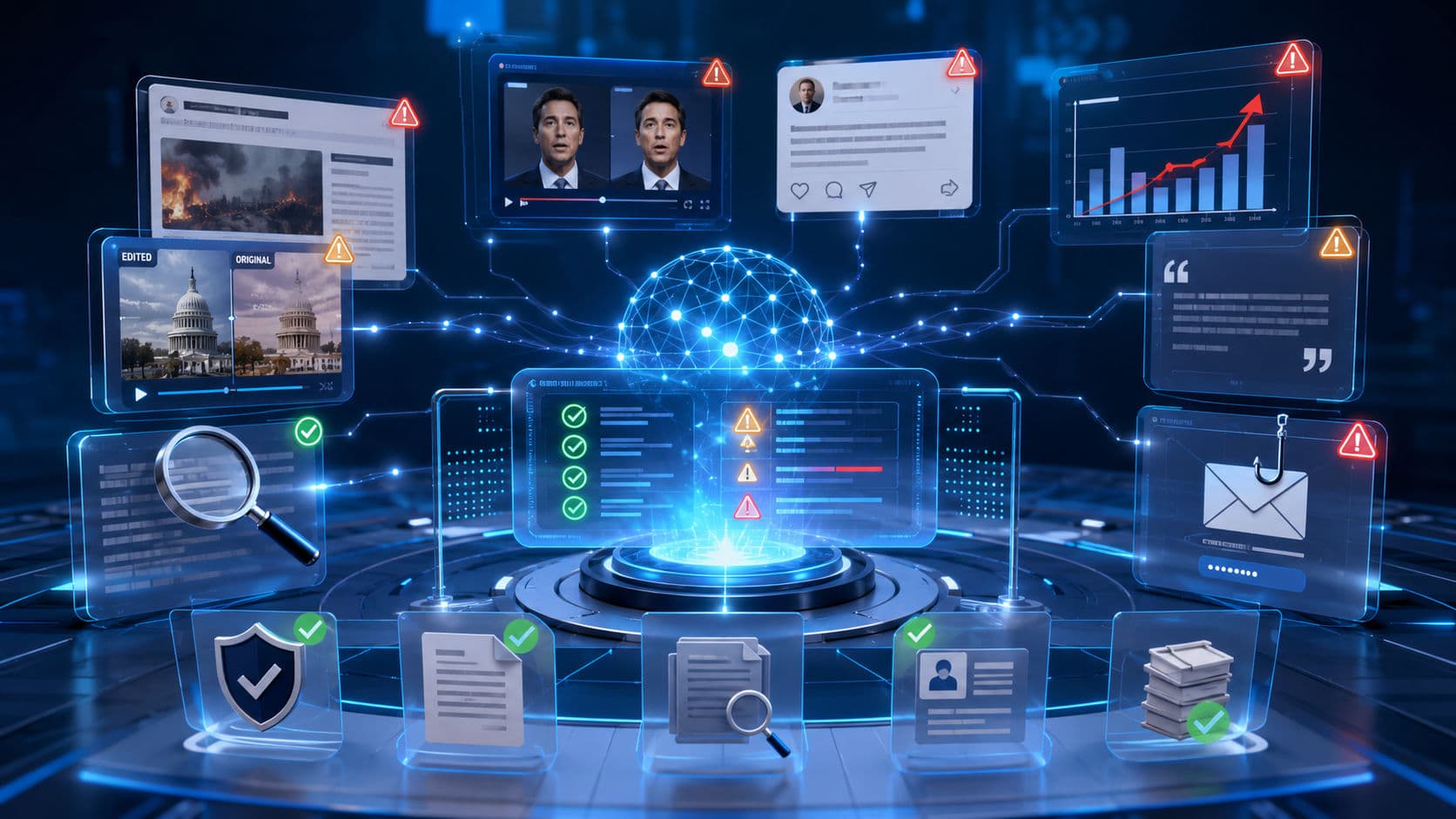
Modern AI fact-checking systems can:
- Extract factual claims from videos and articles.
- Search trusted sources.
- Compare conflicting evidence.
- Identify manipulated media.
- Provide supporting references.
However, AI should assist human judgment rather than replace it. Verification works best when automated tools and critical thinking are combined.
What You Can Do Before Sharing
Before forwarding any post, ask yourself:
- Where did this information come from?
- Can I verify it?
- Are reputable sources reporting the same thing?
- Does the claim sound unusually sensational?
- Am I sharing facts or simply reacting emotionally?
Taking a few extra seconds can prevent misinformation from reaching hundreds of people.
Final Thoughts
The internet makes information travel faster than ever before, but speed should never replace accuracy.
Misinformation spreads because people unknowingly share false content.
Disinformation spreads because someone intentionally wants to deceive others.
Knowing the difference helps you become a more informed digital citizen and reduces the spread of harmful content.
At Veriq, our mission is to help people verify information using AI-powered fact-checking, trusted sources, and evidence-based analysis so they can make informed decisions before believing or sharing online content.